
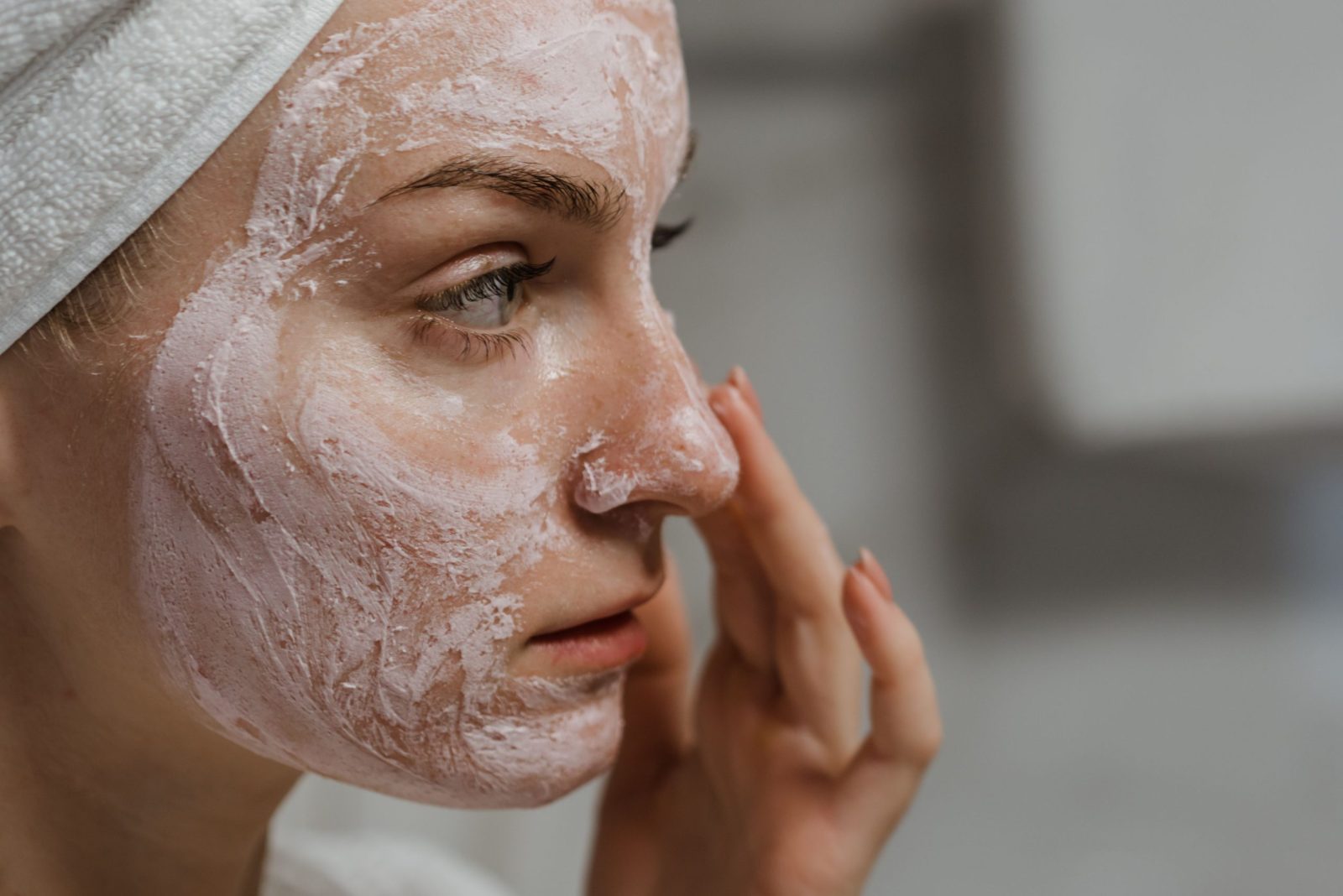
As autumn ends and winter begins, most of the patients who come to my clinic say the same thing:
“Professor, this time I really want something to change. Superficial measures just don’t work anymore.”
This is precisely where phenol peeling comes into play. For some skin types, superficial peels, lasers, or mesotherapy treatments are simply not enough. When dealing with deep wrinkles, years of accumulated sun damage, or prominent scars, a more radical skin rejuvenation is required—and phenol peeling is one of the methods that achieves exactly that.
What Is a Phenol Peel?
Phenol is a potent substance capable of penetrating the middle layers of the skin. When applied in a controlled manner, it exfoliates the damaged upper and middle layers, allowing brand-new skin to emerge from beneath, while simultaneously providing a significant boost to collagen production. In other words, it does more than just “cleanse”—it restructures the skin. This is why the results are more long-lasting.
What Is It Used For?
I most frequently recommend it to my patients in the following cases: deep, established wrinkles (especially around the eyes and mouth), advanced sun damage, noticeable acne scars, uneven skin texture, and persistent dark spots. When applied to the right patient using the correct technique, it can achieve a truly visible rejuvenation and tightening of the skin.
For Whom Is It Suitable, and for Whom Is It Not?
Naturally, this procedure is not suitable for everyone—I want to emphasize this point. I generally achieve the best results with patients who have fair skin, are in good overall health, and have realistic expectations. Conversely, we exercise much greater caution—and often choose not to perform the procedure at all—in cases involving heart, kidney, or liver conditions, pregnancy or breastfeeding, active infections, or darker skin tones. This is because safety comes above all else.
How Is the Process Carried Out?
A phenol peel is not a "simple" peel. As it is a deep chemical peel, it must be performed under controlled conditions by an experienced physician. Once the skin has been prepared, anesthesia is planned, the phenol is applied according to a specific protocol, and the skin is appropriately protected following the procedure. For the entire face, the process typically takes between 1 and 2 hours.
How Is the Recovery Process Going?
The recovery process is a period that requires patience. Swelling and redness are noticeable during the first few days, followed by the formation of scabs and peeling. While most patients are able to return to their social lives within 2–3 weeks, it may take 1–3 months for the redness to fade completely. The most critical rule during this period is sun protection; because the newly formed skin is highly sensitive, using a high-SPF sunscreen, wearing a hat, and staying in the shade whenever possible are essential. Keeping the skin moisturized is also vital for ensuring a healthy recovery.
Finally…
Phenol peeling is one of those rare procedures where a single treatment can yield results that last for many years. However, it is not a simple process; it requires careful patient selection, the right technique, and a disciplined recovery period. The winter months are arguably the best time for this procedure, as it is much easier to manage sun exposure during the recovery phase.
If you have deep wrinkles, significant sun damage, or scars, and are considering a true rejuvenation, let’s talk. We can evaluate your skin together and determine whether this is the right option for you.
Doctor Erol Özan
Dermatologist